







Ganymede’s Axis Shift: Moon Victim of Mega-Impact
Ganymede, one of Jupiter’s moons, has recently been found to have shifted its axis due to a mega-impact event. This discovery has stunned astronomers and space enthusiasts alike, as it provides valuable insights into the moon’s geological history. The mega-impact is believed to have occurred millions of years ago, causing Ganymede to tilt on its […]

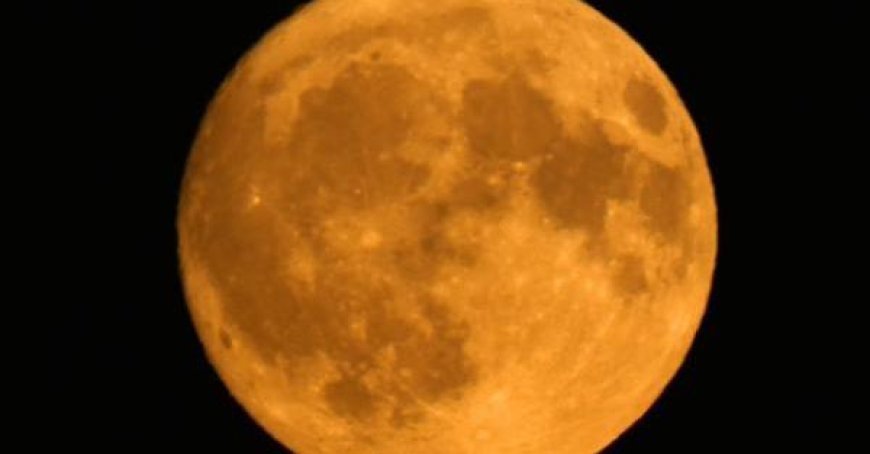
Ganymede, one of Jupiter’s moons, has recently been found to have shifted its axis due to a mega-impact event. This discovery has stunned astronomers and space enthusiasts alike, as it provides valuable insights into the moon’s geological history.
The mega-impact is believed to have occurred millions of years ago, causing Ganymede to tilt on its axis. This tilt has led to changes in the moon’s topography and possibly even its climate. Scientists are now studying the effects of this event on Ganymede’s surface features and its overall stability.
One theory suggests that the mega-impact may have been caused by a large asteroid or comet colliding with Ganymede. This collision would have had significant consequences for the moon’s geological formations and could explain the observed changes in its axis.
Despite the impact’s devastating effects, Ganymede continues to be a fascinating object of study for astronomers. Its unique characteristics, such as being the largest moon in the solar system and having its own magnetic field, make it a valuable target for further research.
As more data is collected and analyzed, scientists hope to gain a better understanding of Ganymede’s history and the processes that have shaped its surface. This new discovery of the moon’s shifted axis opens up a world of possibilities for future exploration and could potentially lead to new insights into the formation and evolution of our solar system.
Overall, the discovery of Ganymede’s altered axis serves as a reminder of the dynamic and ever-changing nature of the cosmos. It highlights the need for continued exploration and research to unravel the mysteries of the universe and shed light on the forces that shape celestial bodies like Ganymede.
What's Your Reaction?